


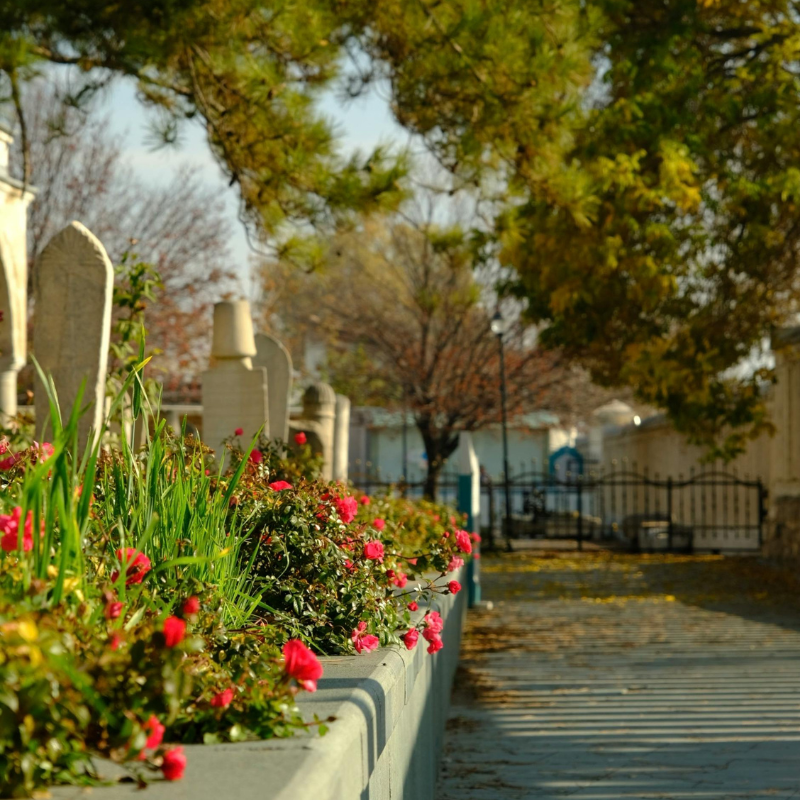

If you’ve ever stood at a gravesite and thought, “I’d love to plant something here,” you’re not alone. Fresh flowers and small plantings can make a space feel cared for, alive, and connected to the seasons. But a lot of people hesitate—because they’re not sure what’s actually allowed. The short answer is: sometimes yes, sometimes no. It depends on the cemetery. Here’s how to understand the rules—and avoid the frustration of doing something that gets removed a week later. Why Cemeteries Have Rules About Planting Most cemeteries aren’t trying to be difficult. They’re trying to manage long-term upkeep across hundreds (or thousands) of sites. Planting rules usually come down to a few practical concerns: Maintenance access (mowing, trimming, equipment) Consistency of appearance Root systems that could disturb nearby graves or headstones Liability and safety Because of this, many cemeteries limit what can be planted directly in the ground. Common Rules You’ll See Every cemetery is different, but in New England especially, these are the most common guidelines: 1. In-ground planting is often restricted Some cemeteries allow it in designated areas, but many do not allow digging at all. Even small flowers can be removed if they interfere with maintenance. 2. Containers are usually allowed (with limits) This is the most common option. Flower pots or baskets are often permitted Size and placement may be regulated Items usually need to sit close to the headstone That said—some cemeteries remove containers during mowing season or at the end of each season. 3. Seasonal clean-outs are normal Many cemeteries do periodic cleanups where they remove: Dead or fading flowers Holiday decorations Items that look unattended This can feel harsh if you’re not expecting it—but it’s standard practice. 4. Certain materials are not allowed You’ll often see restrictions on: Glass containers Large shrubs or woody plants Permanent edging or borders Anything that could become debris or a hazard What This Means for You If you’re caring for a gravesite, the biggest challenge isn’t choosing what to plant—it’s making sure it stays. A few practical tips: Check the cemetery’s posted rules (or call the office if possible) Stick to simple, low-profile plantings or containers Avoid anything that requires digging unless you know it’s allowed Expect some level of seasonal removal A Simpler Way to Approach It This is where a lot of families get stuck. They want to do something thoughtful—but between rules, distance, and timing, it becomes difficult to manage. That’s why many people choose to have plantings handled for them. At Riverstyx, we work within each cemetery’s specific guidelines—so plantings are appropriate, placed correctly, and more likely to remain in place. We also time visits around seasonal cleanups and maintenance cycles. The goal isn’t just to add flowers. It’s to make sure the space actually looks cared for—and stays that way. Final Thought Yes—you can often plant flowers at a gravesite. But what’s allowed depends on the cemetery, and navigating those rules is often the hardest part. When it’s done right, even a simple planting can change how a place feels. It brings attention, intention, and a sense of presence.

When people think about caring for a gravesite, it’s usually something simple—maybe placing flowers once in a while, or stopping by when they can. But over time, most families realize the same thing: keeping a gravesite in good condition takes more consistency—and more know-how—than expected. So what does proper gravesite care actually include? 1. Keeping the Site Clean and Presentable At the most basic level, gravesite care means keeping the area tidy and respectful. That includes: Removing weeds and overgrowth Clearing away leaves, sticks, and debris Trimming grass around the stone Resetting items that have shifted or fallen In New England especially, this kind of upkeep matters. A single season can leave a site looking completely overgrown if it’s not maintained. 2. Caring for the Headstone Headstones aren’t as durable as they look. Different materials—granite, marble, slate—each require different cleaning approaches. Proper care includes: Gently removing dirt, moss, and lichen Using the right tools (no harsh chemicals or pressure washing) Avoiding damage to aging or fragile stones A well-maintained stone stays legible and intact. Improper cleaning can permanently damage it. 3. Thoughtful Planting Plantings can make a gravesite feel alive and cared for—but only if they’re done thoughtfully. This means: Choosing plants that can handle the conditions (sun, soil, foot traffic) Avoiding species that will overgrow or spread aggressively Planting in a way that respects cemetery guidelines Low-maintenance, seasonal plantings tend to work best. The goal isn’t to create a garden—it’s to create something that holds up over time. 4. Seasonal Attention Gravesites change with the seasons, and care should adjust accordingly. Spring: Clean-up after winter, fresh plantings Summer: Weed control and general upkeep Fall: Leaf removal and seasonal transitions Winter: Simple, durable decorations (like wreaths or logs) Without seasonal attention, even a well-kept site can quickly look neglected. 5. Respecting Cemetery Rules Every cemetery has its own guidelines—what can be planted, what decorations are allowed, and how maintenance is handled. Good gravesite care always works within those rules. That avoids issues like: Items being removed by staff Plantings being cut back or cleared Unintentional damage to neighboring plots 6. Consistency Over Time This is the piece most people underestimate. Gravesite care isn’t just about what you do—it’s about how often it’s done. A single visit can help, but ongoing care is what keeps a site: Clean Legible Intentional-looking For families who live far away, have busy schedules, or just want peace of mind, consistency is usually the hardest part. A Simple Way to Think About It At its core, proper gravesite care comes down to three things: Clean – the site is free of debris and overgrowth Maintained – the stone and surroundings are looked after properly Tended – there’s visible, ongoing care over time When those three things are in place, a gravesite doesn’t just look “okay," it feels remembered, respected, and cared for.